Recovery from addiction and mental health challenges is a journey that requires determination, support, and the development of healthy habits. While professional treatment, therapy, and structured programs provide the foundation for healing, incorporating daily routines that promote physical and emotional well-being can make a significant difference. Cycling is one such habit. By combining exercise, mindfulness, and connection, daily rides can transform the recovery process, helping individuals build strength, resilience, and renewed hope.
Physical Benefits: Strengthening the Body
Rebuilding Endurance and Vitality
Addiction often leaves the body weakened and fatigued. Regular cycling helps restore stamina, improve cardiovascular health, and strengthen muscles. Even short, consistent rides can improve energy levels, enhance circulation, and contribute to better sleep patterns. These physical gains provide a foundation for sustained recovery, giving individuals the strength to engage fully in therapy, work, and daily life.
Reducing Stress and Supporting Cravings Management
Exercise naturally increases endorphin levels, which can improve mood and reduce stress. For individuals in recovery, cycling offers a safe and healthy way to manage cravings, release tension, and redirect energy toward positive behaviors. Daily rides can serve as a coping strategy during difficult moments, helping prevent relapse and promoting emotional balance.
Mental and Emotional Benefits: Strengthening the Mind
Mindfulness on the Move
Cycling encourages focus on rhythm, breathing, and surroundings, making it a natural practice in mindfulness. Staying present during rides allows individuals to process thoughts and emotions without judgment. This mindful approach enhances emotional regulation, reduces anxiety, and supports mental clarity—skills that are essential in the early stages of recovery.
Building Confidence and Resilience
Every completed ride represents a small victory. Tracking progress, achieving personal goals, and consistently showing up for rides reinforces self-discipline and builds confidence. Over time, these small successes accumulate, creating resilience that extends beyond cycling and into daily life challenges. Daily rides remind individuals that progress is possible and that consistent effort leads to meaningful change.
Community and Social Support: Riding Together
Connecting With Peers
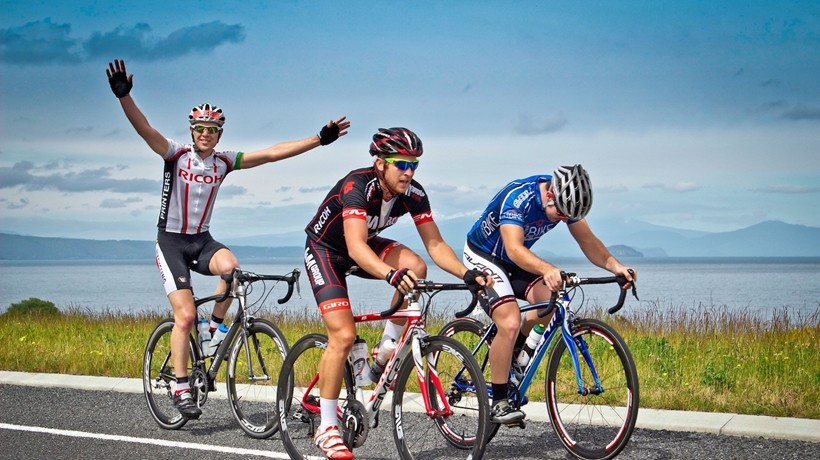
Recovery thrives in supportive environments. Participating in group rides, local cycling clubs, or recovery-focused cycling events provides opportunities to connect with others who understand the journey. These connections reduce isolation, provide encouragement, and strengthen commitment to recovery.
Shared Experiences and Motivation
Cycling communities allow individuals to share challenges, celebrate achievements, and offer guidance. Engaging with others reinforces motivation, fosters accountability, and nurtures a sense of belonging—key components of long-term recovery success.
Practical Tips for Incorporating Daily Rides
- Start Small: Begin with short rides and gradually increase duration or intensity.
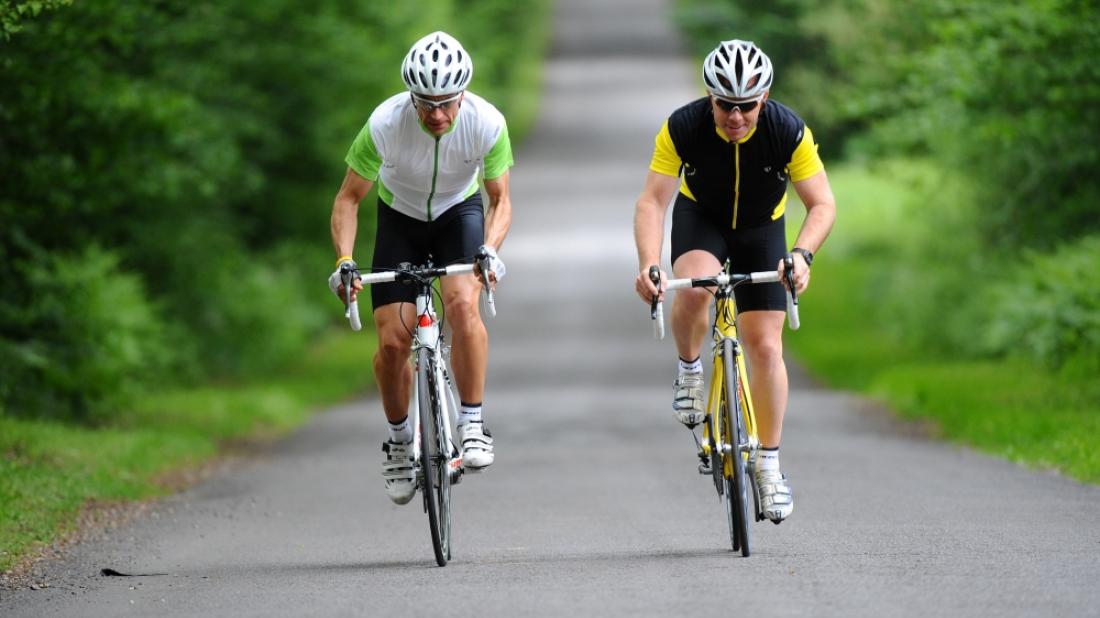
- Choose Enjoyable Routes: Scenic trails or quiet neighborhoods enhance relaxation and motivation.
- Focus on Mindfulness: Pay attention to breath, cadence, and surroundings to stay present and calm.
- Track Progress: Recording distances, times, or milestones can build confidence and encourage consistency.
- Integrate With Recovery Programs: Combine cycling with counseling, therapy, or holistic support for maximum benefit.
Turning Daily Rides Into Recovery Tools
Daily cycling is more than a form of exercise. It is a holistic practice that strengthens the body, nurtures the mind, and builds emotional resilience. For individuals in recovery, daily rides can become a source of hope, empowerment, and progress. Each mile represents a small but meaningful step toward health, stability, and personal growth.
If you or a loved one are navigating addiction or mental health challenges, consider integrating cycling into your recovery plan. Combined with professional treatment, individualized care, and holistic support, daily rides can transform recovery journeys from struggle to strength, offering both physical and emotional renewal.